Healing Is Stronger When Shared: Building a Supportive Healthcare Community
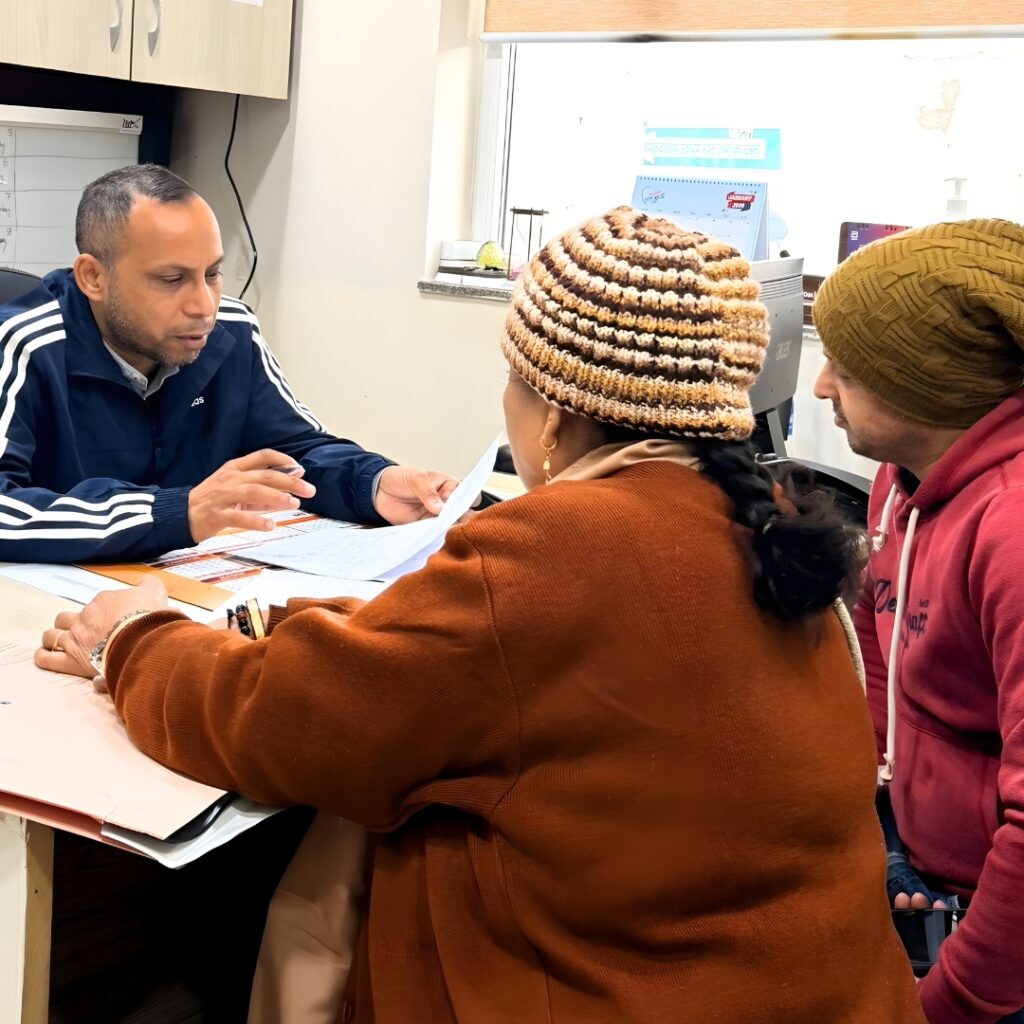
Healthcare is more than diagnosis, prescriptions, and procedures. It is about people, emotions, families, and the courage to move forward during uncertain times. In today’s fast-paced medical environment, many patients experience not only physical discomfort but also emotional stress, confusion, and anxiety. This is why building a supportive healthcare community is essential.
At RogiCare, we believe that healing is stronger when shared. When patients, families, healthcare professionals, and trained advocates work together, the journey toward recovery becomes less overwhelming and more empowering. A patient-centered support system transforms fear into clarity and isolation into connection.
This blog explores how building a compassionate healthcare network improves patient outcomes, strengthens families, and creates a more humane healthcare system.
Understanding the Need for a Supportive Healthcare Community
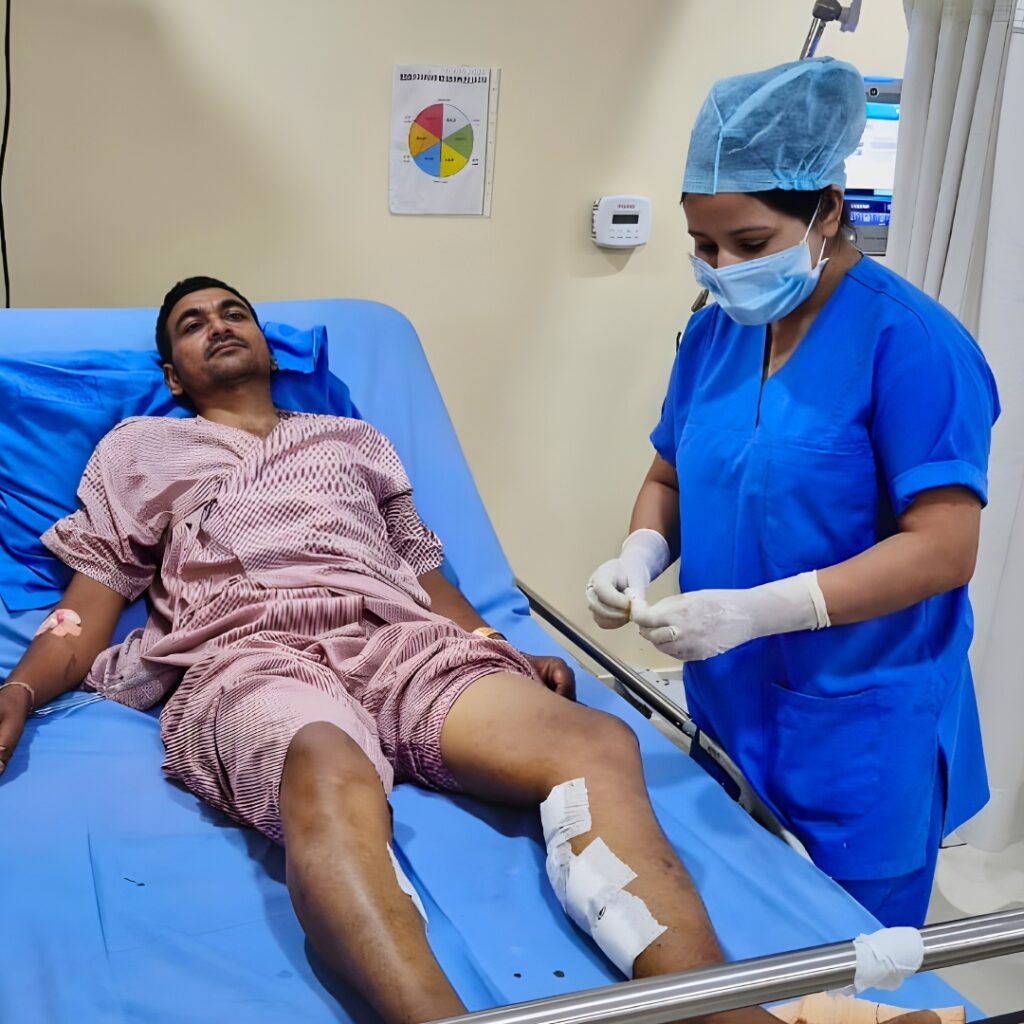
Modern healthcare systems are advanced, yet many individuals still struggle with:
- Health-related anxiety
- Confusion about symptoms
- Fear of medical procedures
- Emotional exhaustion during long-term treatment
- Lack of guidance after hospital visits
While medical treatment addresses physical conditions, emotional and psychological support often remains limited. This gap can affect recovery, confidence, and decision-making.
A supportive healthcare community bridges this gap. It ensures that no patient feels alone during diagnosis, treatment, or recovery.
What Does “Healing Is Stronger When Shared” Truly Mean?
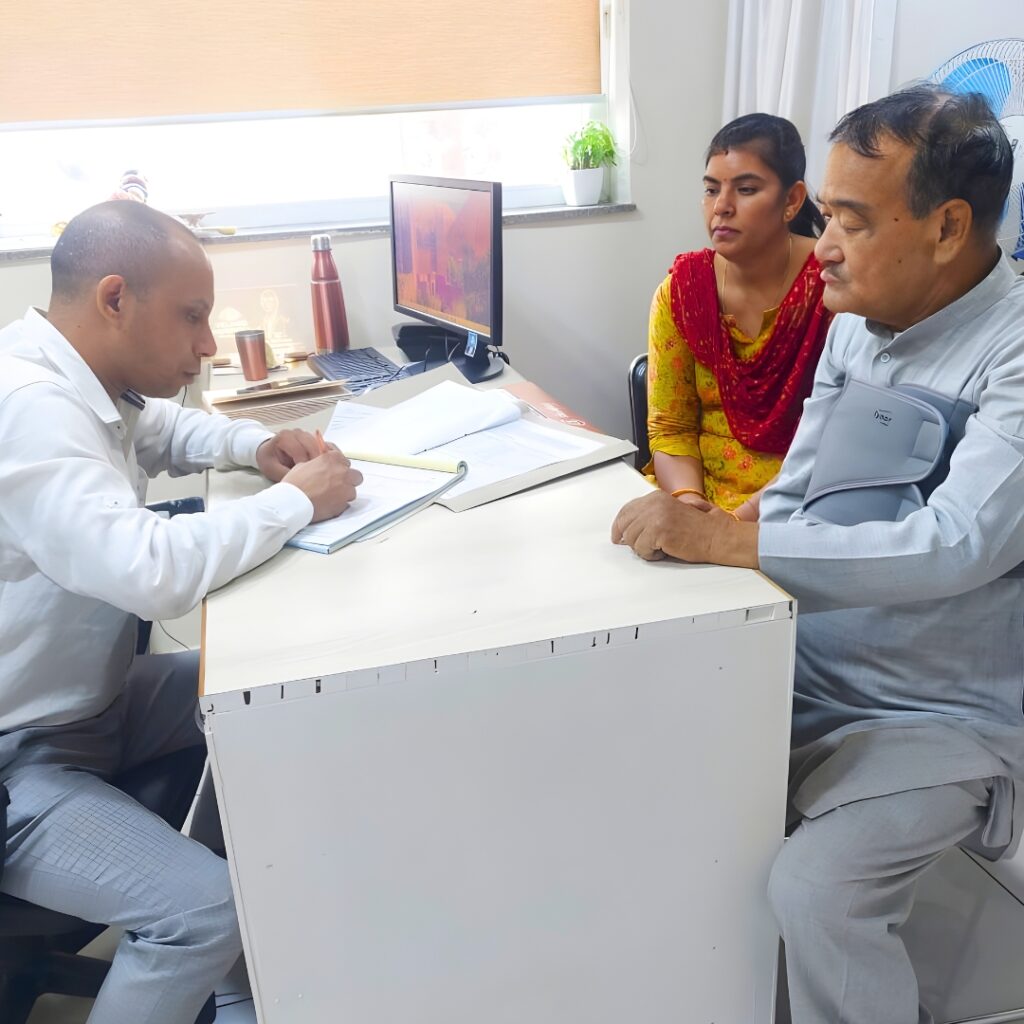
Healing is not only about curing illness—it is about restoring hope, dignity, and emotional strength. When care is shared:
- Patients feel heard and respected
- Families feel involved and informed
- Caregivers gain confidence
- Healthcare professionals build trust
- Communities promote awareness and empathy
Shared healing means building connections that extend beyond hospital walls. It creates a reliable support network where guidance and reassurance are always accessible.
The Power of Patient-Centered Support Systems
A patient-centered approach focuses on individual needs rather than just medical conditions. It encourages open communication, emotional understanding, and collaborative decision-making.
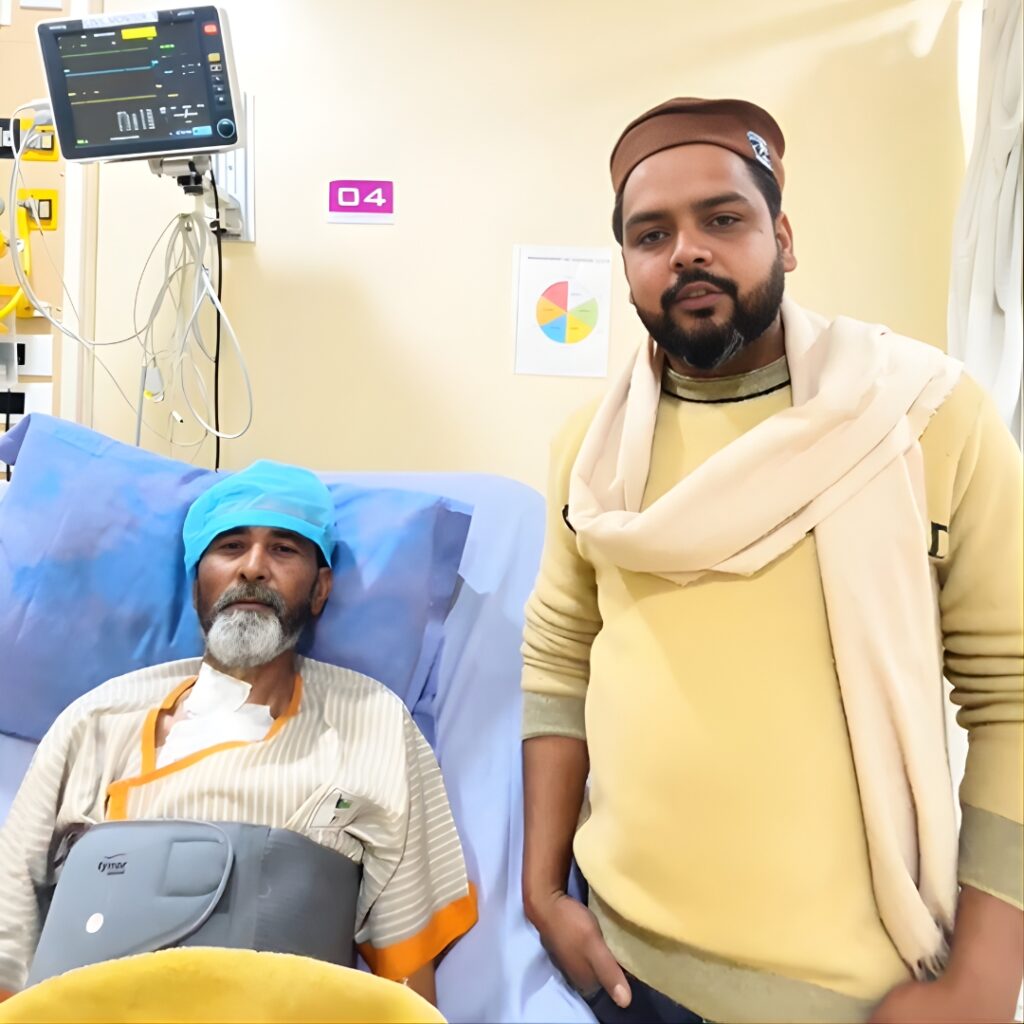
1. Emotional Support Reduces Healthcare Anxiety
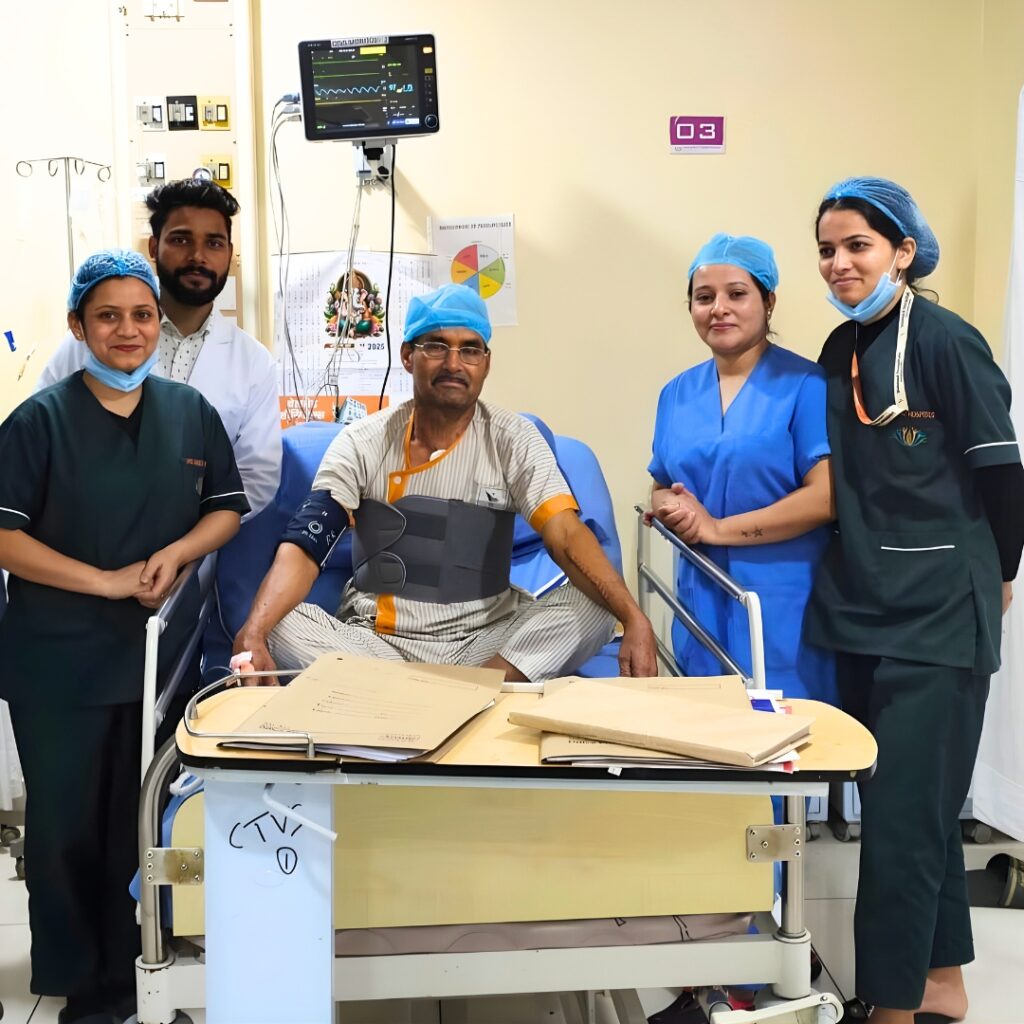
Many patients delay seeking medical attention due to fear or uncertainty. Anxiety often increases when individuals do not understand their symptoms or treatment plans.
A supportive healthcare community provides:
- Clear explanations
- Reassurance during difficult moments
- Access to trusted guidance
- Continuous emotional encouragement
When patients feel emotionally supported, their confidence improves, and they become more engaged in their treatment journey.
2. Families Become Stronger Care Partners
Family members and caregivers play a crucial role in recovery. However, they often feel overwhelmed by medical information and responsibilities.
Building a supportive healthcare ecosystem ensures that families:
- Understand treatment plans
- Feel confident in home care management
- Receive guidance for decision-making
- Gain reassurance during emergencies
When families are empowered, patients feel safer and more supported.
3. Guidance Creates Clarity During Uncertainty
Uncertainty is one of the most stressful aspects of healthcare. Questions like “What should we do next?” or “Is this symptom serious?” can create emotional pressure.
A well-structured support system offers:
- Reliable patient guidance
- Clear next steps
- Practical healthcare advice
- Consistent follow-up support
Clarity reduces panic and promotes informed decision-making.
Transforming Compassion into Action
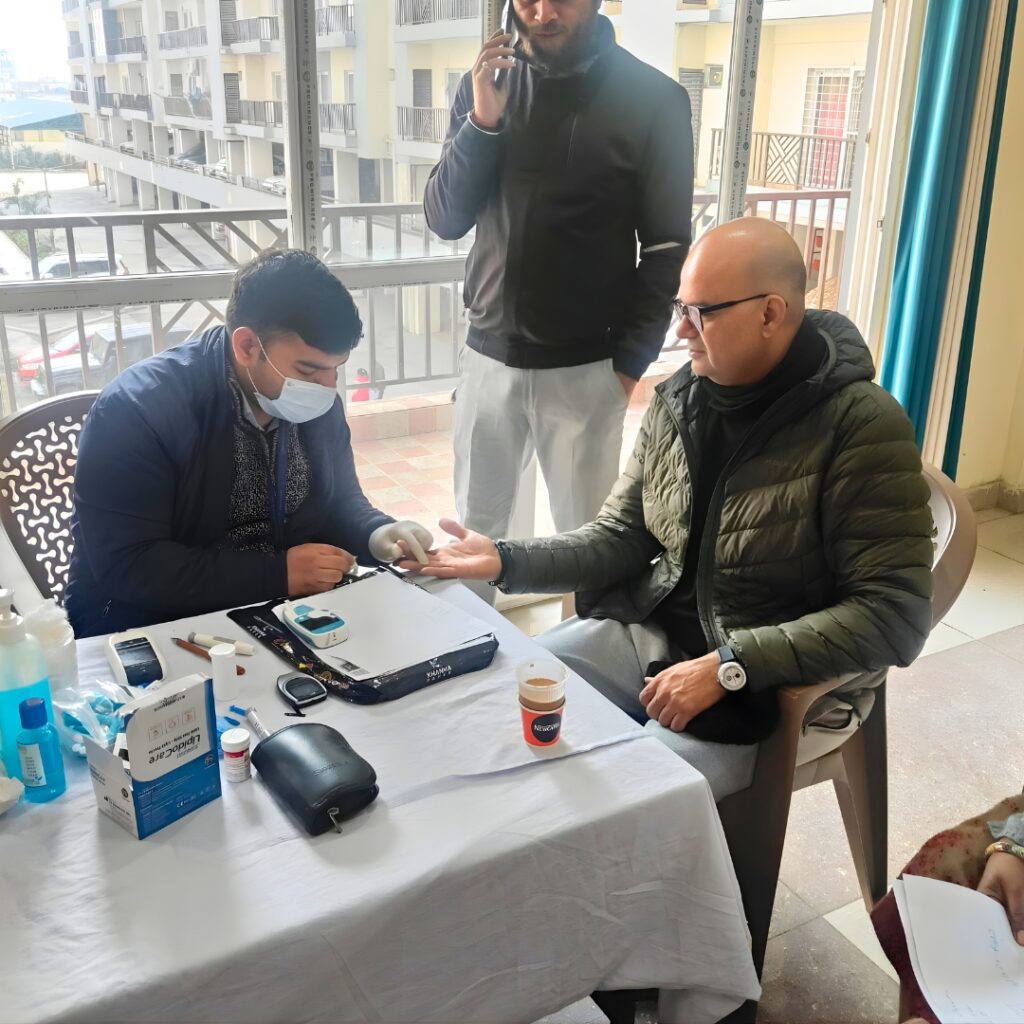
Compassion alone is not enough—it must be translated into structured support systems. RogiCare transforms empathy into meaningful action by creating programs that directly address patient needs.
Rogi Mitra Training & Support
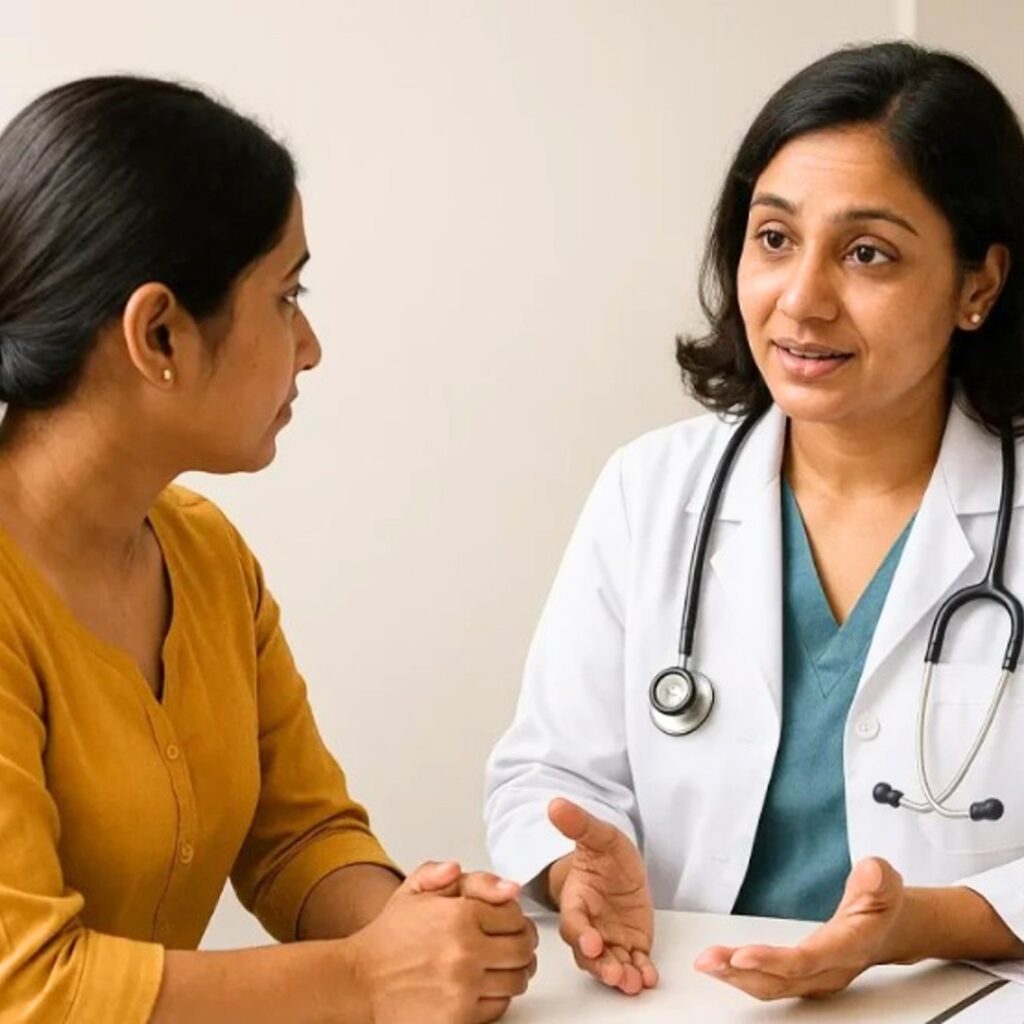
Trained Rogi Mitras (Patient Advocates) act as bridges between patients and healthcare providers. They guide individuals through:
- Understanding medical procedures
- Managing emotional stress
- Making informed treatment decisions
- Navigating healthcare systems
This personalized guidance strengthens trust and confidence.
Awareness Camps & Home Care Support
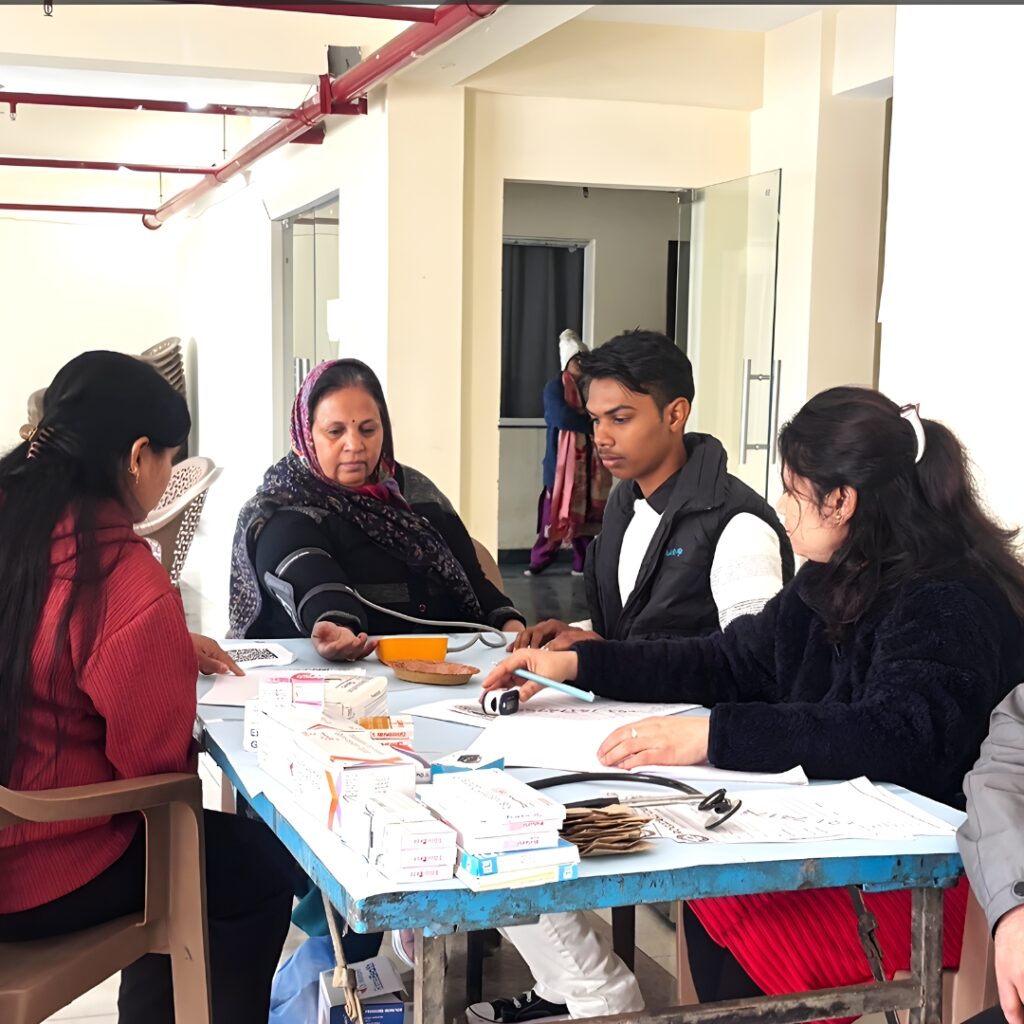
Community awareness programs play a vital role in preventive healthcare. By educating individuals about symptoms, early intervention, and care options, awareness initiatives reduce fear and misinformation.
Home care support ensures that patients continue receiving attention and guidance even outside hospitals. This continuity of care promotes smoother recovery and reduces anxiety.
Dhadkan 24×7 Helpline & Patient Resources
Healthcare concerns do not follow a schedule. Questions and fears can arise at any time.
Continuous support through a dedicated helpline ensures that:
- Patients receive timely reassurance
- Families can clarify doubts immediately
- Emotional stress is addressed early
- Reliable information is always accessible
Round-the-clock guidance builds trust and prevents unnecessary panic.
Why Empathy Is the Foundation of Modern Healthcare
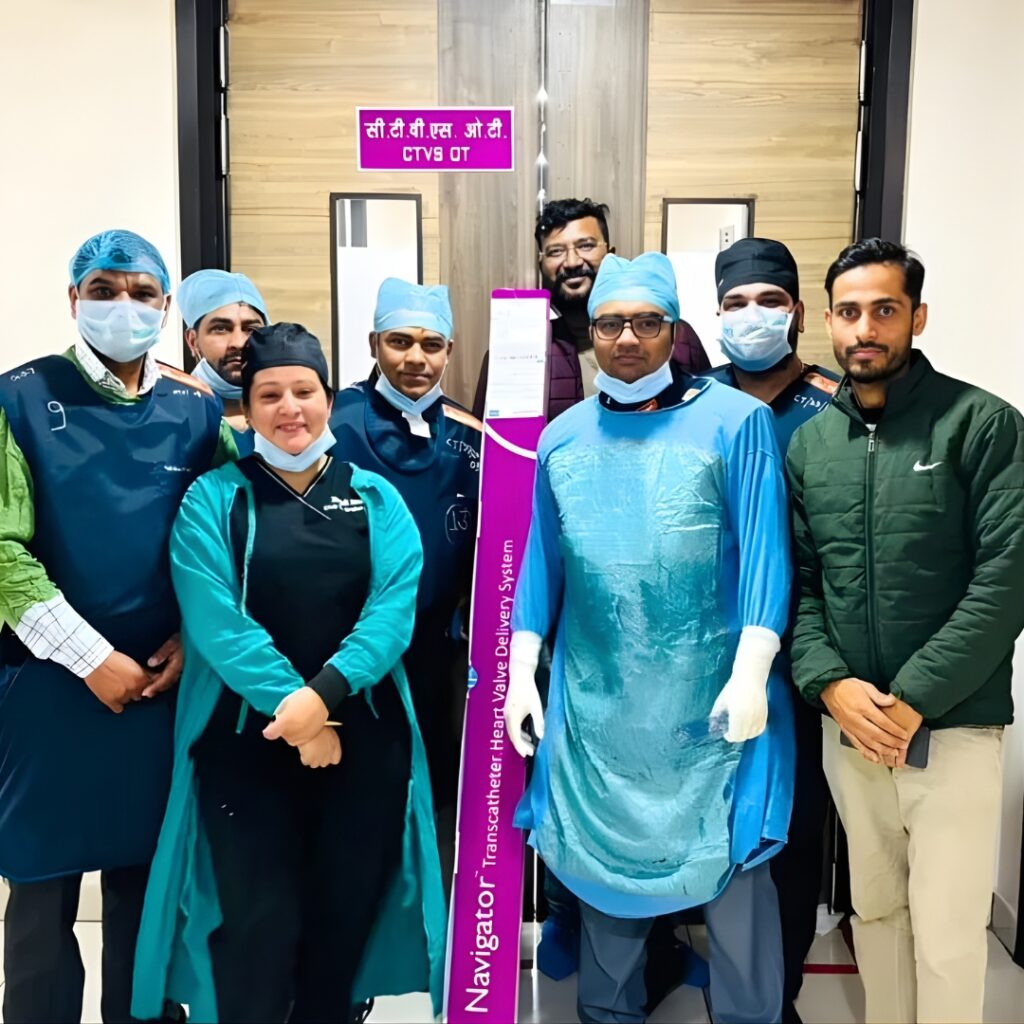
A supportive healthcare community thrives on collaboration. Healing becomes stronger when multiple stakeholders work together with empathy and shared purpose.
RogiCare works with:
- Patients and families seeking guidance
- Doctors and hospitals committed to compassionate care
- Rogi Mitras dedicated to patient advocacy
- Volunteers and community groups strengthening outreach
Together, this network forms a circle of support that surrounds the patient at every stage.
Benefits of a Community-Based Healthcare Approach
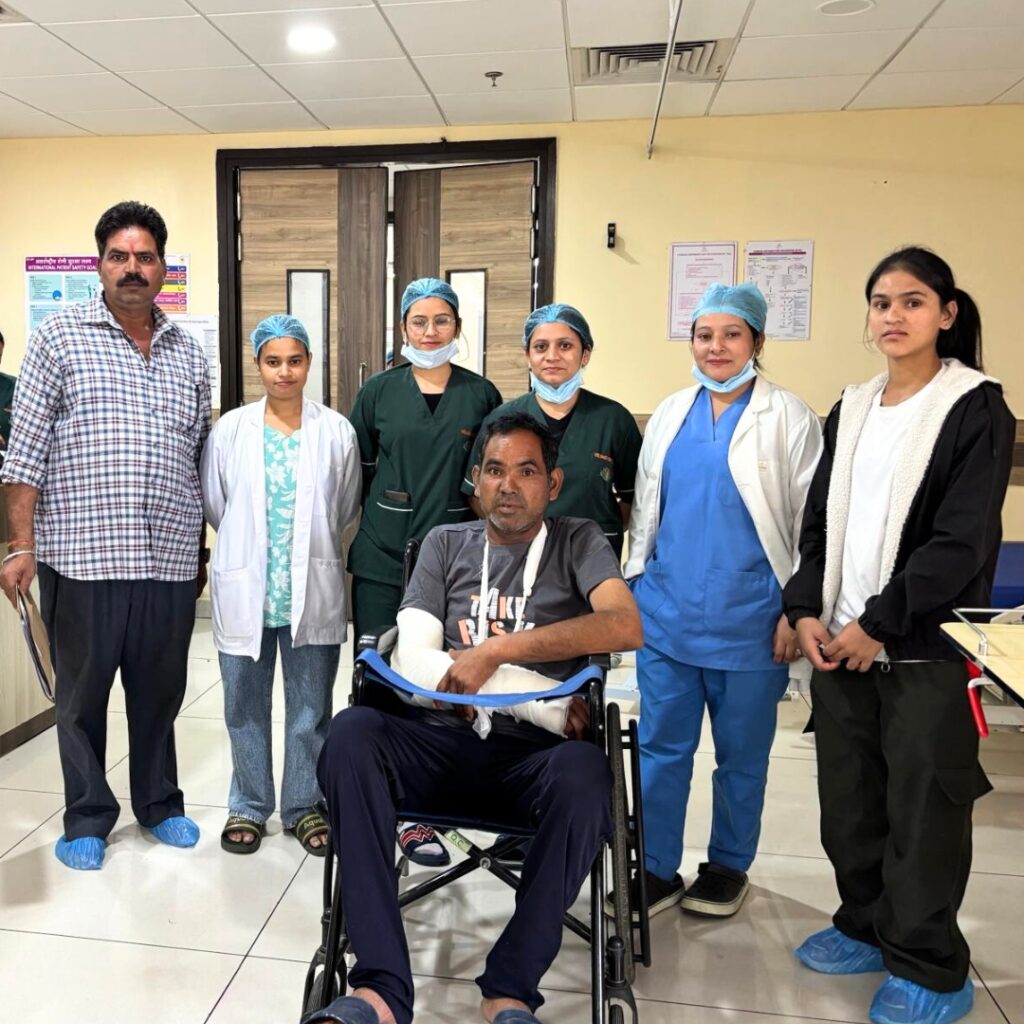
Creating a patient support network offers long-term advantages for individuals and communities.
Improved Patient Satisfaction
When patients feel valued and understood, their overall healthcare experience improves. Satisfaction increases when communication is transparent and respectful.
Better Treatment Adherence
Support systems encourage patients to follow prescribed treatments consistently. When doubts are addressed promptly, individuals are less likely to skip medication or appointments.
Reduced Emotional Stress
Healthcare journeys can be emotionally draining. Community-driven support reduces feelings of isolation and helplessness.
Stronger Healthcare Relationships
Trust between patients and healthcare providers grows when empathy is prioritized. Open dialogue strengthens long-term relationships and promotes better care outcomes.
The Role of Empathy in Modern Healthcare
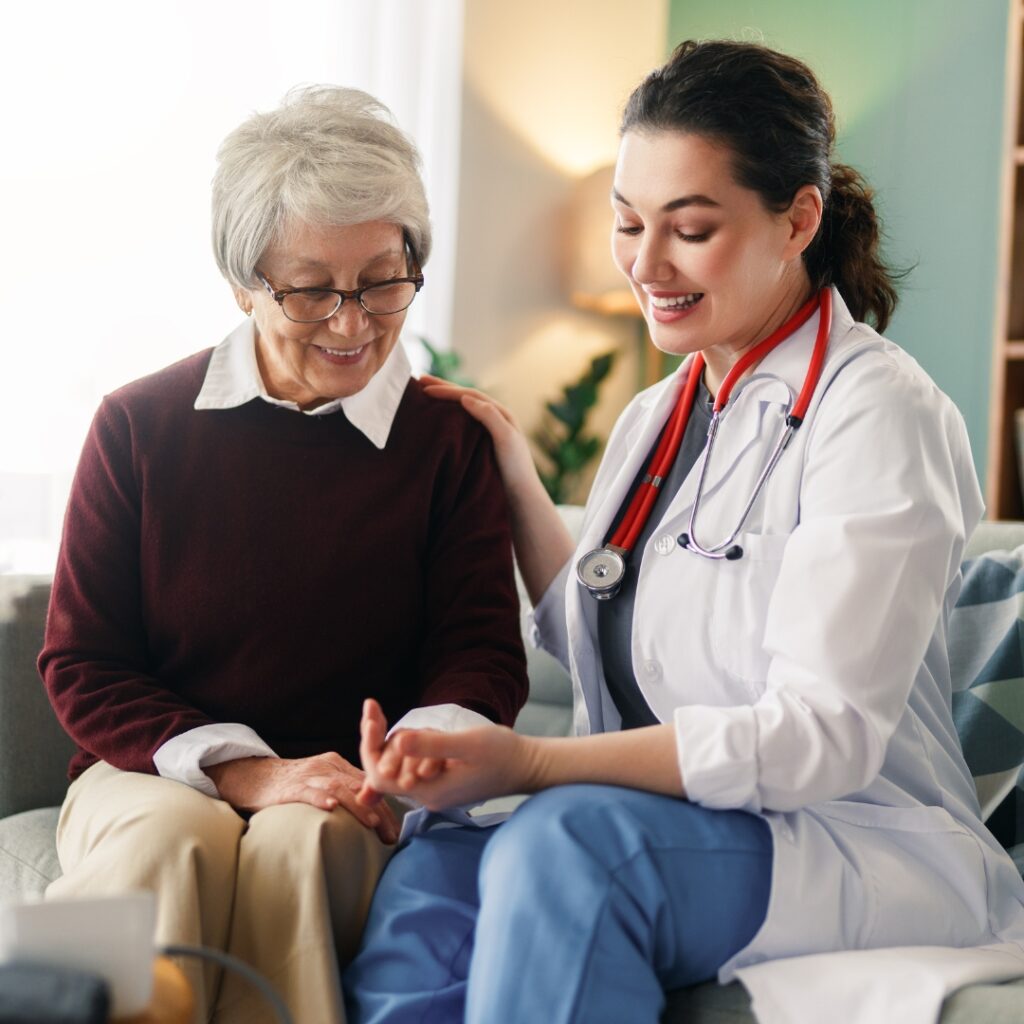
Empathy is the foundation of a supportive healthcare community. It ensures that care is not mechanical but meaningful.
Compassionate healthcare recognizes that each patient has:
- Unique fears and expectations
- Social responsibilities
- Family dynamics
- Emotional vulnerabilities
Acknowledging these aspects leads to more holistic healing.
Encouraging Early Intervention Through Community Support
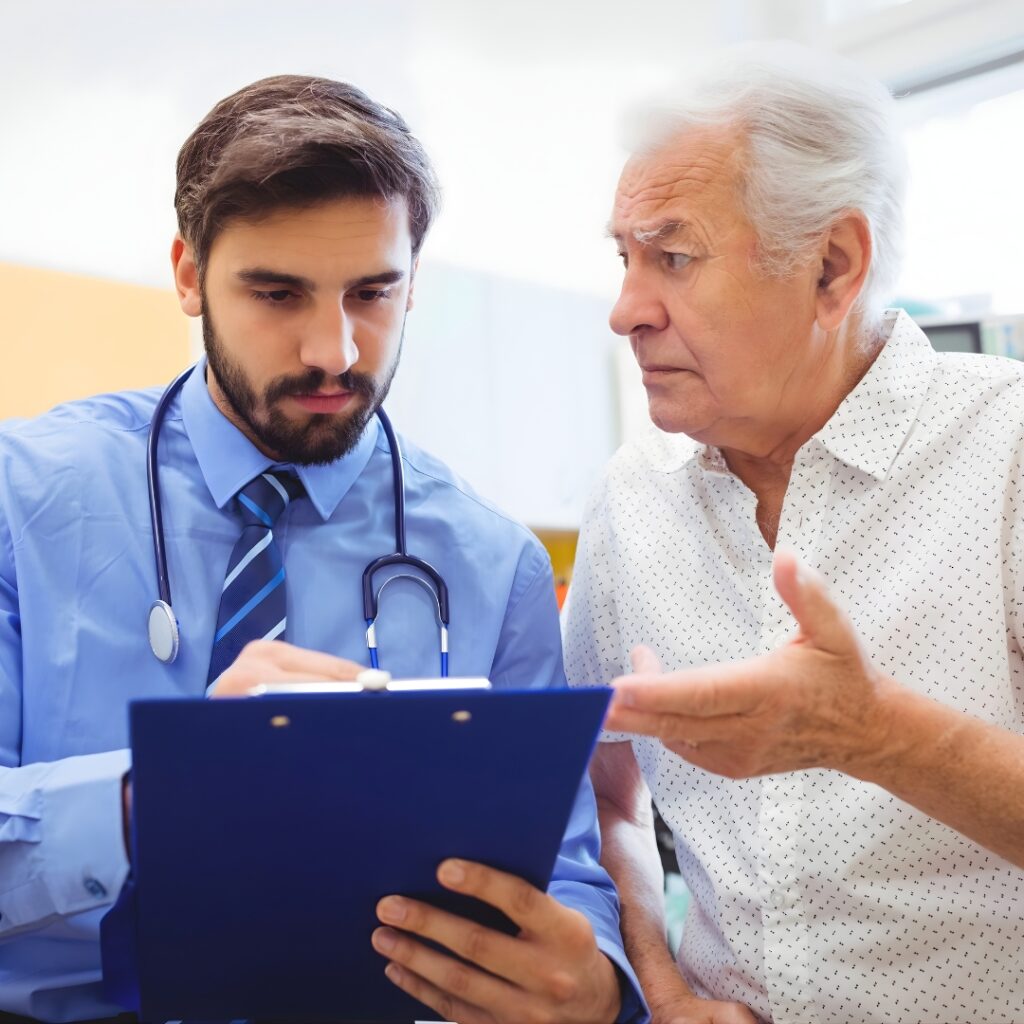
Many individuals hesitate to seek medical advice because they are unsure whether their symptoms are serious. A strong support network encourages early consultation by offering approachable guidance.
When people know they can access:
- Friendly advice
- Trusted information
- Non-judgmental conversations
They are more likely to take timely action, improving overall health outcomes.
Strengthening Healthcare Through Volunteerism
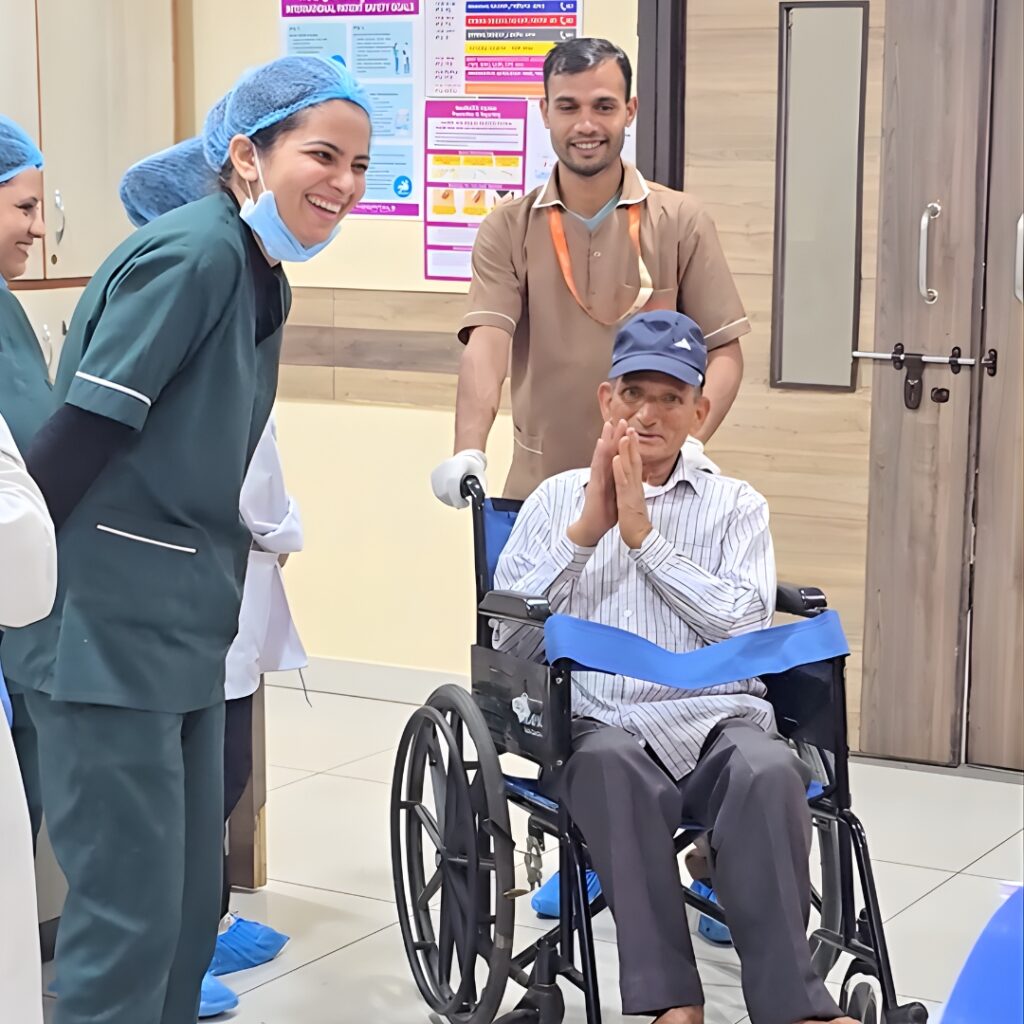
systems. Their involvement:
- Expands outreach efforts
- Enhances awareness campaigns
- Strengthens emotional support networks
- Promotes health education at grassroots levels
Community engagement creates a culture where healthcare responsibility is shared.
Conclusion: Stronger Together in Health and Hope
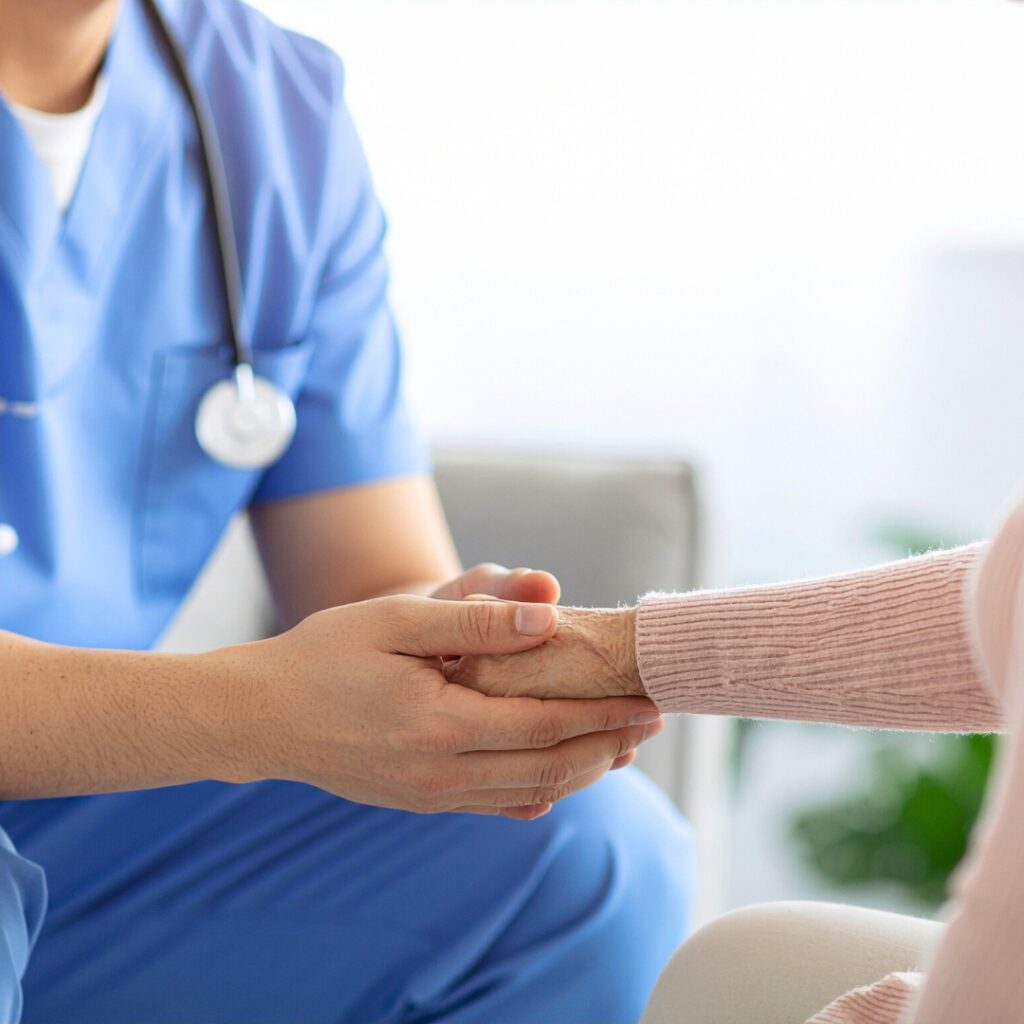
Healing is stronger when shared because support transforms uncertainty into confidence. When patients, families, healthcare professionals, and trained advocates unite with empathy, healthcare becomes more compassionate and effective.
RogiCare is committed to building a supportive healthcare community rooted in guidance, comfort, and connection. By empowering individuals and strengthening networks, we ensure that no one has to face healthcare challenges alone.
In a world where medical systems can feel overwhelming, shared healing offers clarity, strength, and hope. Together, we can create a healthcare environment where compassion leads the way and every patient feels supported throughout their journey.