Why Patient-Centered Care Matters in Today’s Healthcare System
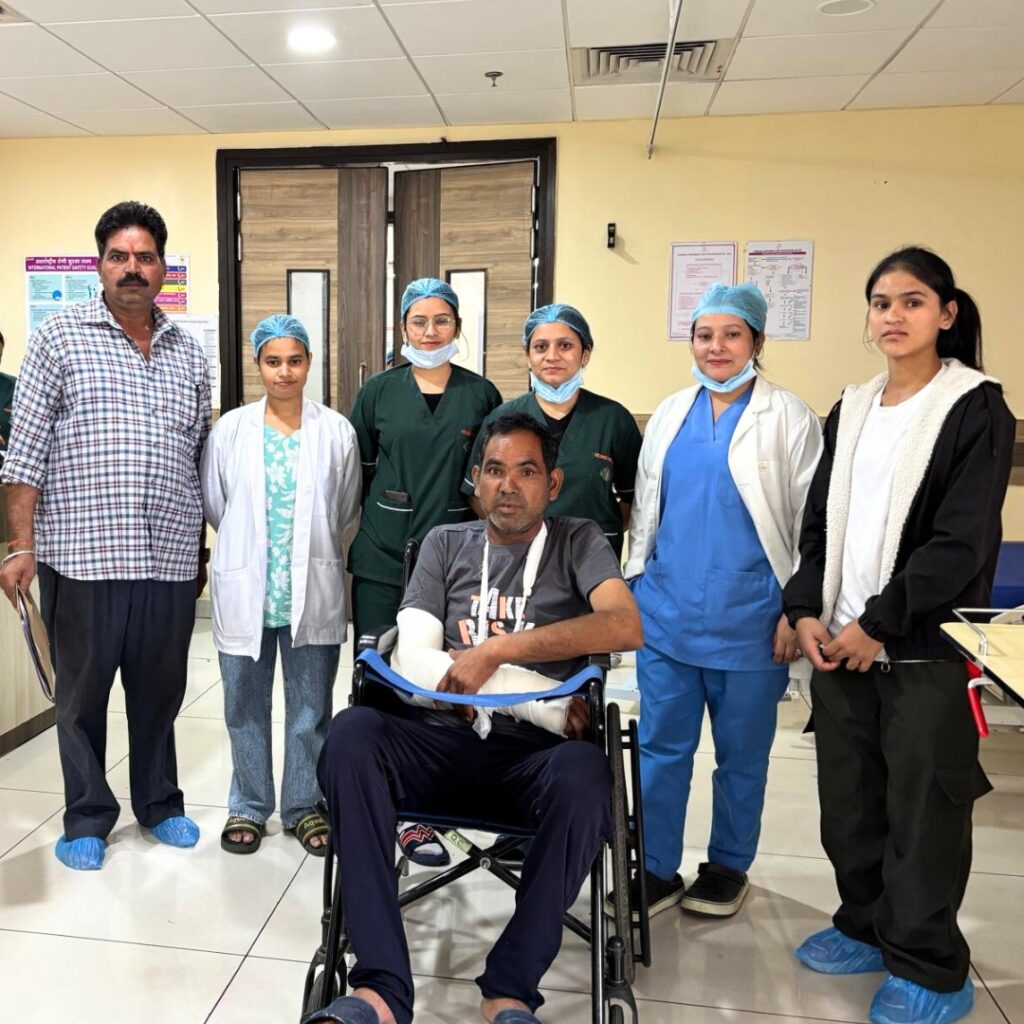
In today’s fast-moving world, healthcare often feels complex, overwhelming, and emotionally exhausting. Medical advancements have grown rapidly, yet many patients still struggle with confusion, fear, and uncertainty during their treatment journey. This is where patient-centered care becomes not just important—but essential.
At RogiCare, patient-centered care is not a concept; it is a commitment built on empathy and real-life experience. We believe that every patient deserves guidance, comfort, and meaningful connection while navigating health challenges. In a system that can sometimes feel impersonal, patient-centered healthcare brings humanity back to healing.
This blog explores why patient-centered care matters in today’s healthcare system, how it improves outcomes, and why building supportive healthcare communities is the need of the hour.
What Is Patient-Centered Care?
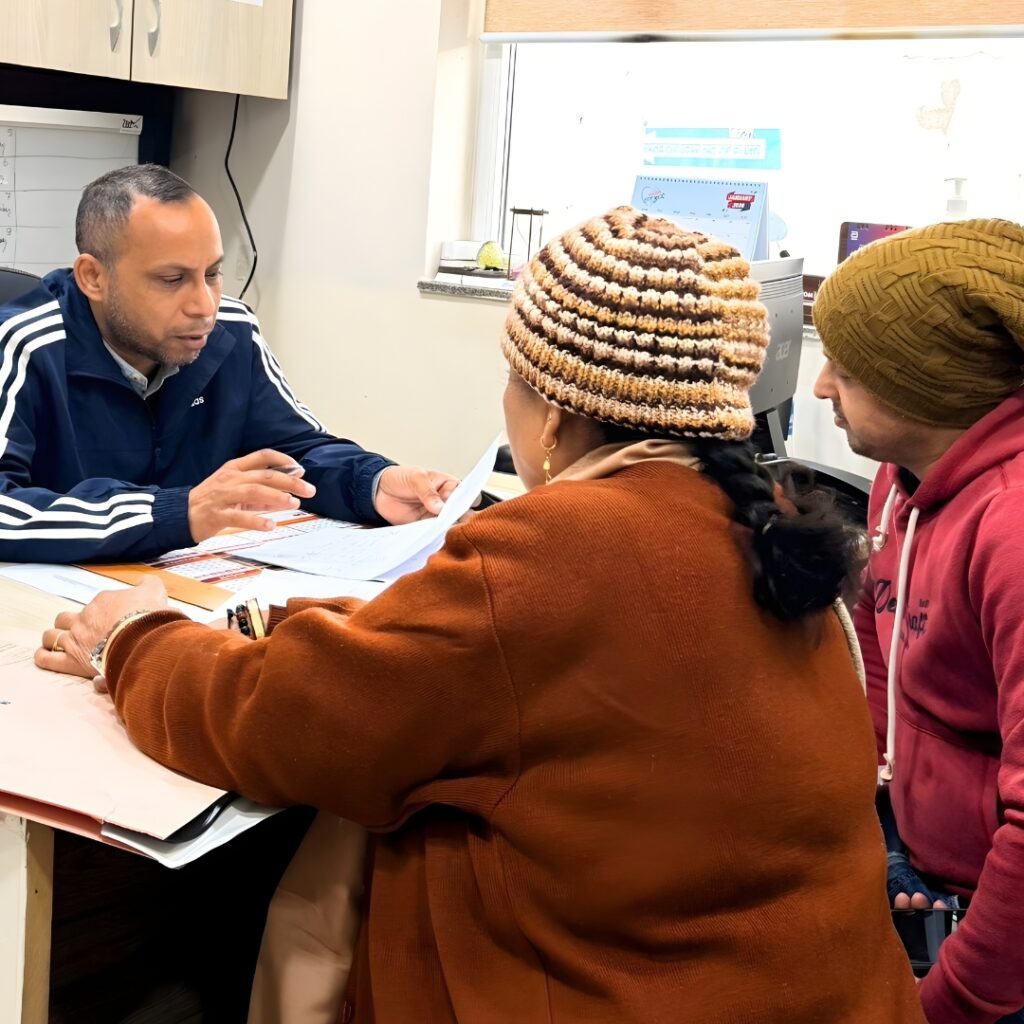
Patient-centered care is a healthcare approach that places the patient at the heart of every decision. Instead of focusing only on diagnosis and treatment, this model emphasizes:
- Emotional well-being
- Clear communication
- Shared decision-making
- Respect for patient values and preferences
- Continuous support during recovery
It shifts the question from “What is the matter with the patient?” to “What matters to the patient?”
In traditional systems, healthcare can feel provider-driven. In contrast, patient-centered healthcare ensures that patients and their families are active participants in the healing process.
The Growing Need for Patient-Centered Healthcare
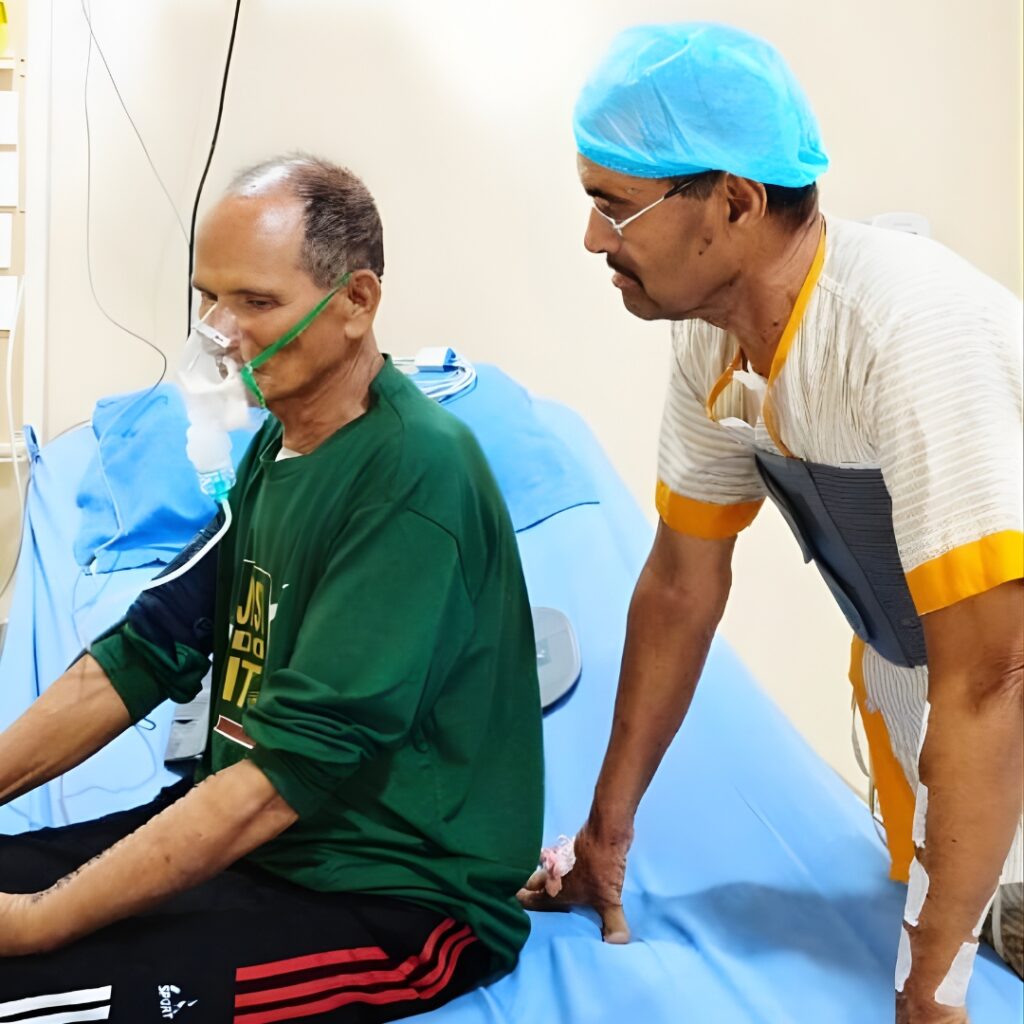
Modern healthcare has achieved remarkable progress. Advanced diagnostics, improved surgical techniques, and innovative therapies have transformed medical treatment. However, many patients still face:
- Health-related anxiety
- Confusion about symptoms
- Uncertainty about treatment options
- Emotional stress during long-term illness
- Lack of guidance after hospital discharge
This gap between medical treatment and emotional support highlights why compassionate healthcare is critical.
When patients feel unheard or uninformed, their stress levels rise. Studies consistently show that stress and anxiety can negatively affect recovery. On the other hand, when patients feel supported and informed, treatment adherence improves and outcomes become more positive.
Patient-centered care addresses these gaps by ensuring that no individual has to face healthcare challenges alone.
How Patient-Centered Care Improves Health Outcomes?
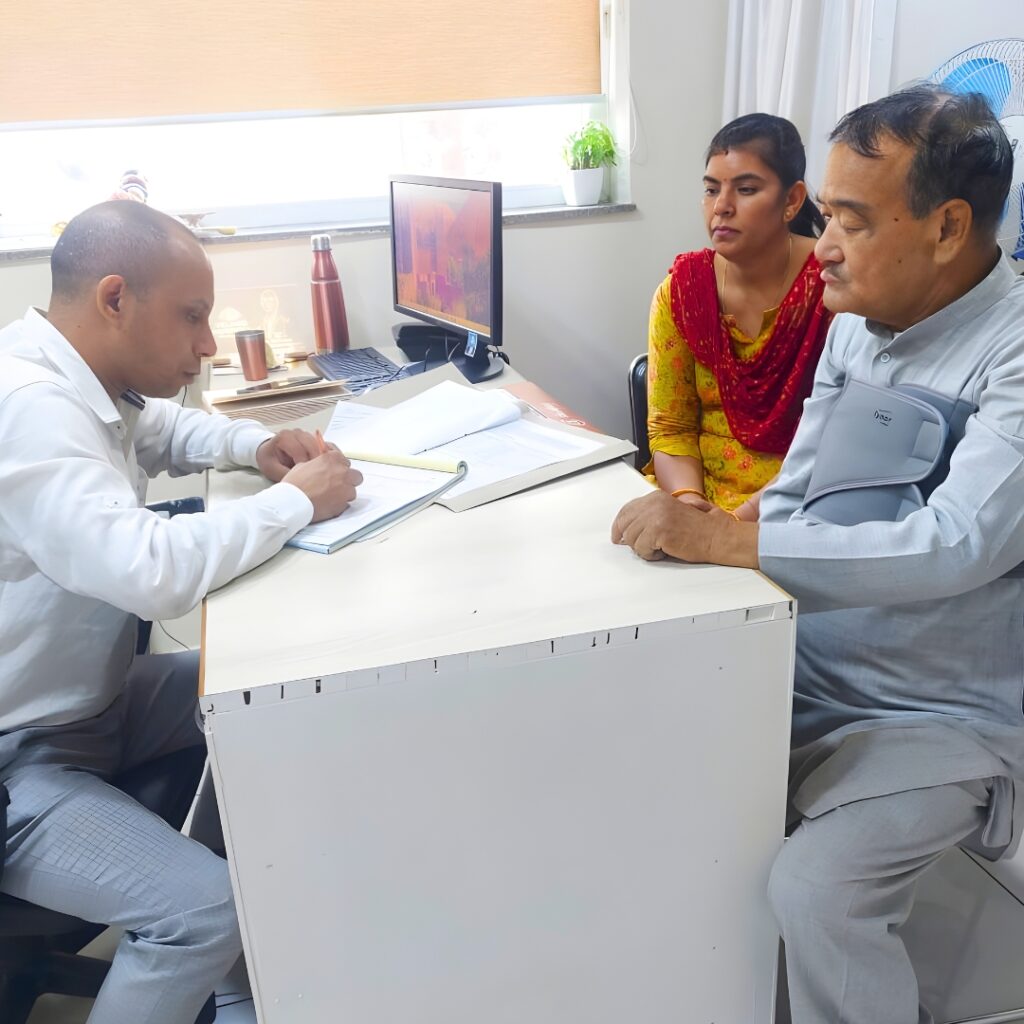
1. Better Communication Leads to Better Decisions

Clear communication between healthcare providers and patients builds trust. When patients understand their diagnosis, treatment plan, and possible outcomes, they feel more confident and empowered.
Shared decision-making allows patients to:
- Ask questions freely
- Express concerns
- Discuss lifestyle factors
- Choose treatment options aligned with their values
This leads to improved patient satisfaction and stronger treatment compliance.
2. Emotional Support Reduces Anxiety
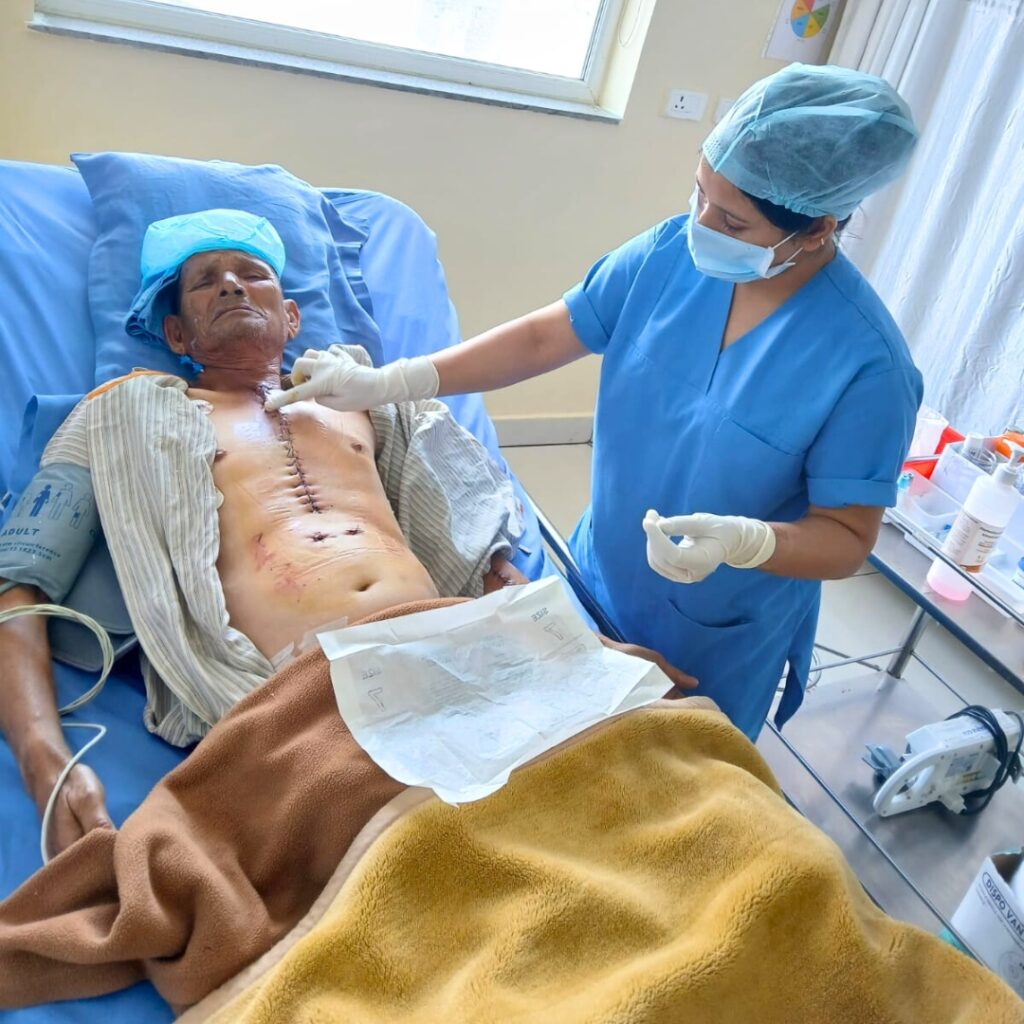
Health-related anxiety is common, especially during serious or chronic illnesses. Fear of the unknown can sometimes feel more overwhelming than the illness itself.
A patient-centered healthcare system provides reassurance, guidance, and emotional comfort. Whether it is through counseling, helplines, or trained patient advocates, emotional support significantly improves mental well-being during recovery.
At RogiCare, we recognize that healing is not just physical—it is emotional and psychological as well.
3. Stronger Family and Caregiver Involvement
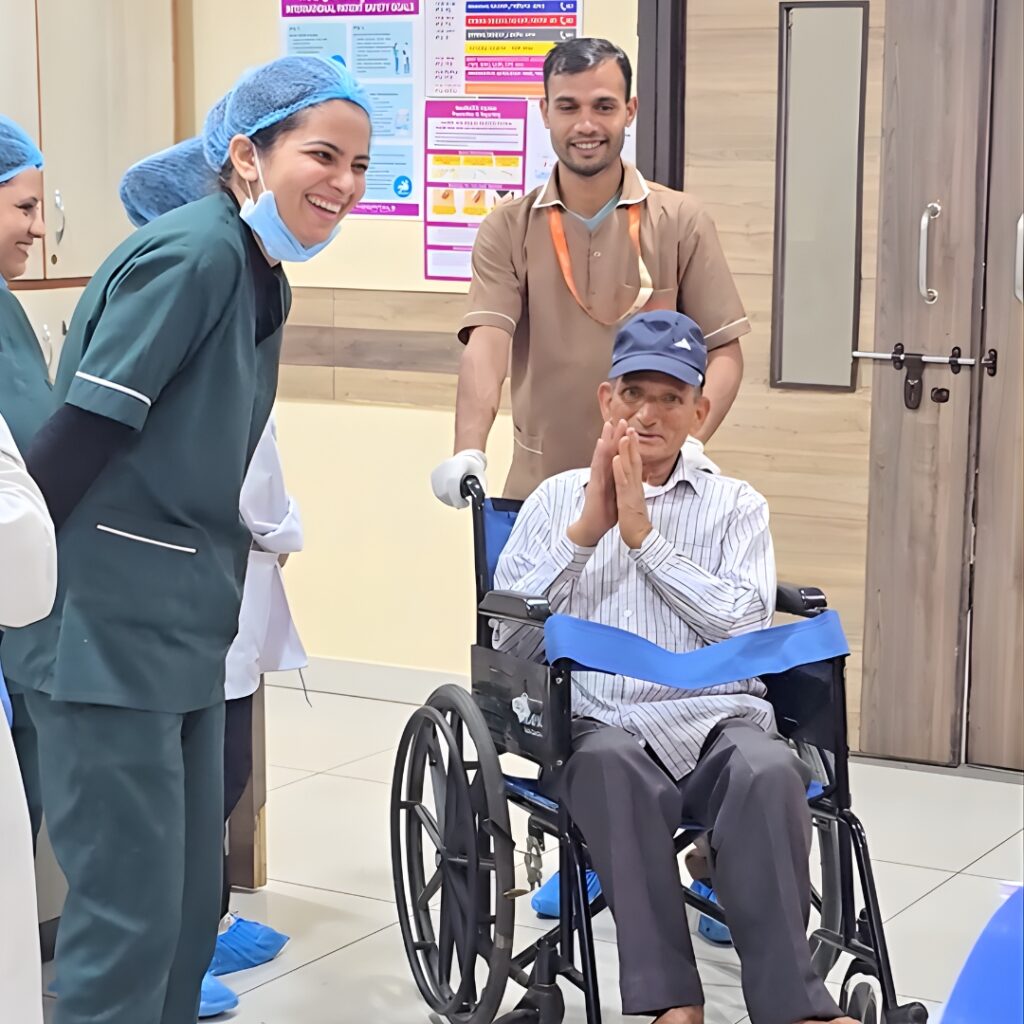
Family members and caregivers often feel helpless while supporting their loved ones. They may struggle with:
- Understanding medical terminology
- Managing medications
- Making informed decisions
- Providing home-based care
Patient-centered care includes families in discussions and equips them with the knowledge they need. When caregivers feel confident, the patient’s recovery journey becomes smoother and more stable.
4. Improved Treatment Adherence
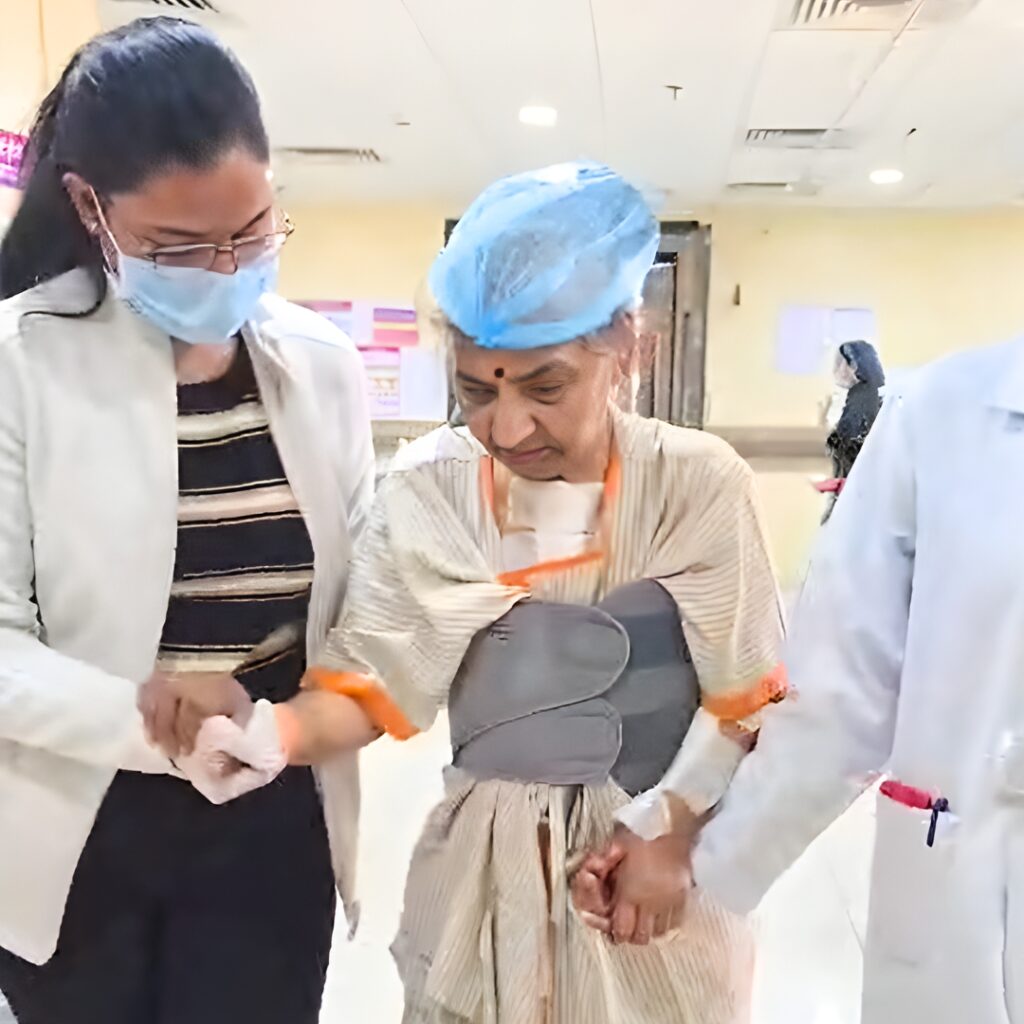
One of the major challenges in healthcare is treatment non-compliance. Patients may stop medication, skip follow-ups, or avoid procedures due to fear or lack of understanding.
When patients feel heard and respected, they are more likely to:
- Follow medical advice
- Attend follow-up appointments
- Maintain lifestyle changes
- Stay committed to long-term treatment
This directly contributes to better healthcare outcomes
The Role of Community in Healing
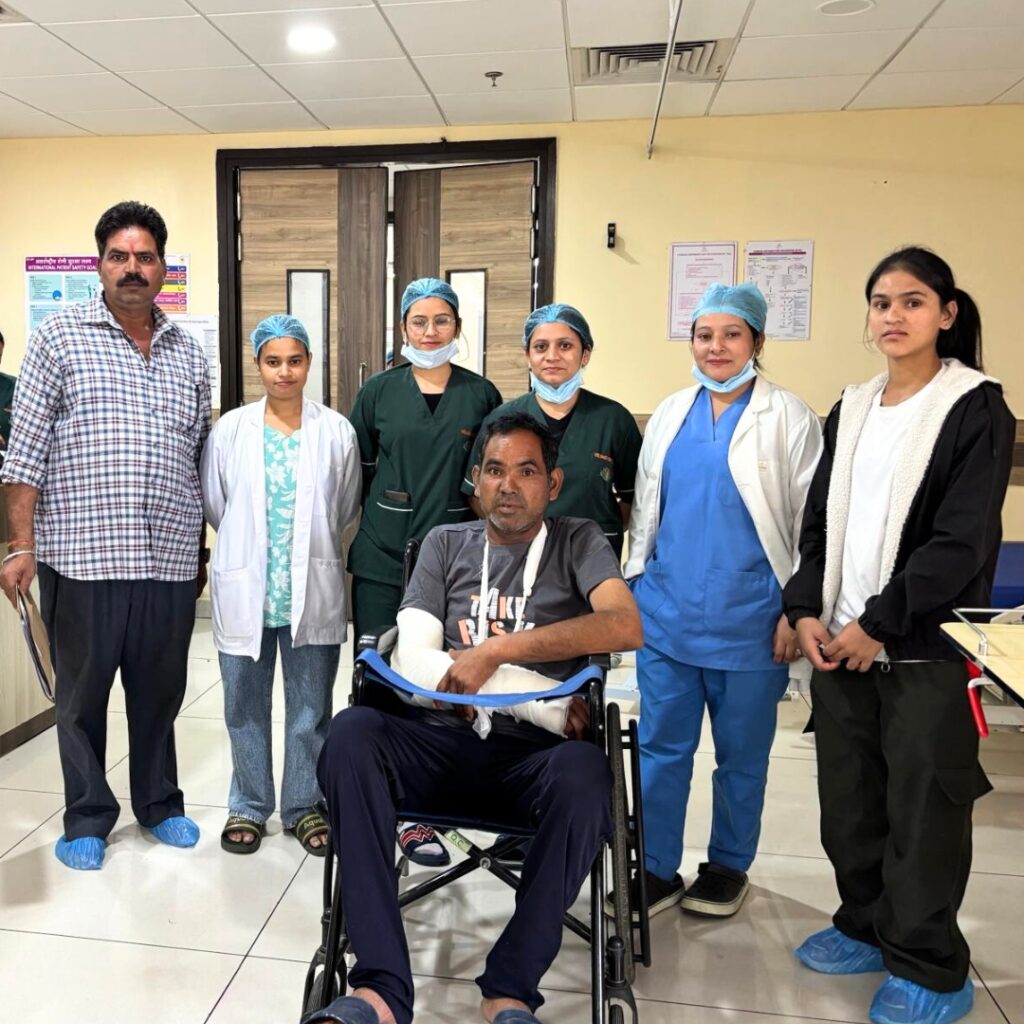
Healing becomes stronger when shared. A supportive healthcare community plays a powerful role in patient recovery.
Community-driven healthcare support provides:
- Peer encouragement
- Shared experiences
- Practical guidance
- Emotional reassurance
At RogiCare, we believe in building networks of empathy where patients, families, healthcare professionals, and volunteers work together. No patient should feel isolated in their journey.
Transforming Compassion into Action

Patient-centered care is not only about ideas—it is about action. Turning empathy into structured support systems creates real impact.
RogiCare transforms compassion into action through:
Rogi Mitra Training & Support
Trained Rogi Mitras (Patient Advocates) guide patients through treatment decisions, emotional challenges, and healthcare navigation. They act as bridges between patients and the healthcare system, ensuring clarity and confidence at every step.
Awareness Camps & Home Care
Healthcare awareness initiatives help individuals understand symptoms, preventive care, and early intervention. Home care support ensures patients receive comfort and guidance even outside hospital settings.
Dhadkan 24×7 Helpline & Patient Resources
Continuous support is essential during uncertain moments. Access to reliable information and reassurance can prevent panic and confusion. Round-the-clock guidance ensures patients and families always have someone to turn to.
Why Empathy Is the Foundation of Modern Healthcare
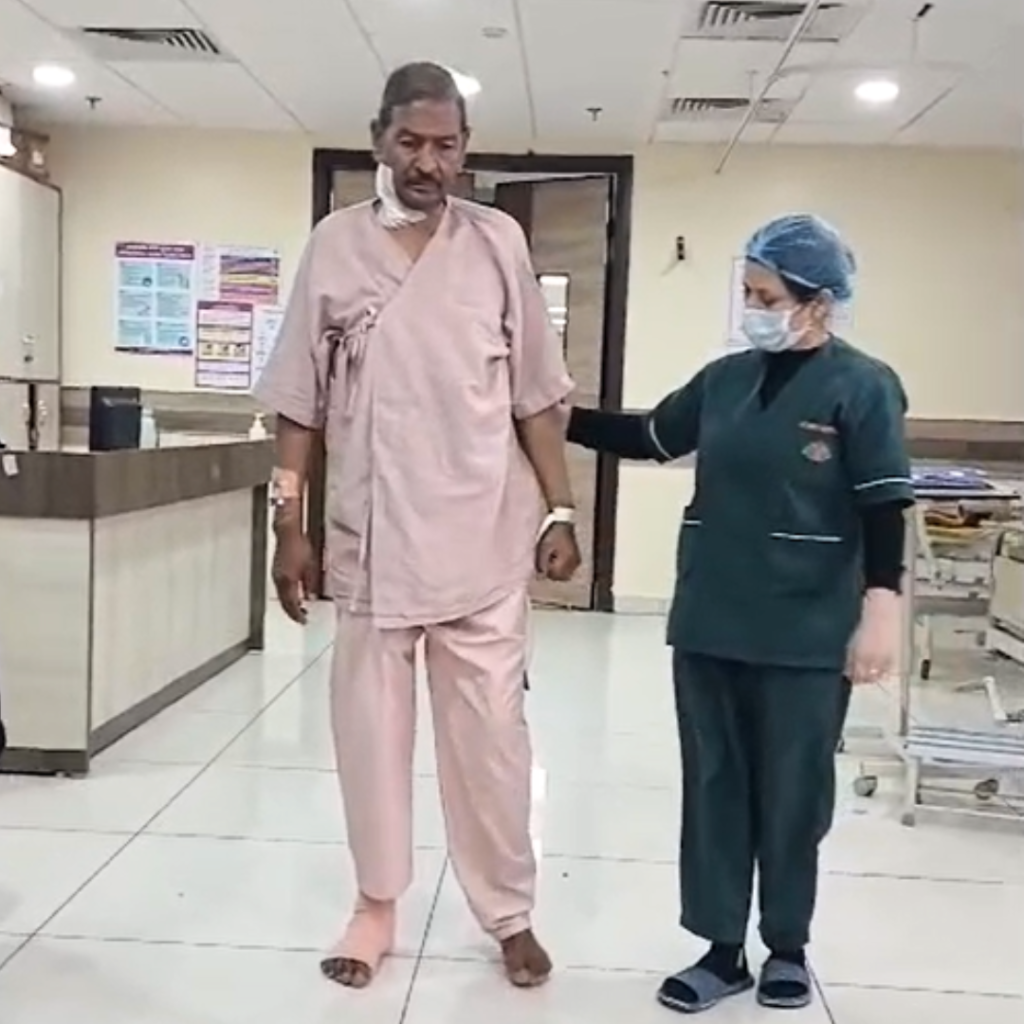
Technology may advance, but empathy remains irreplaceable.
Compassionate healthcare recognizes that every patient has:
- A unique story
- Personal fears and hopes
- Social and family responsibilities
- Emotional vulnerabilities
Patient-centered care respects these human aspects. It acknowledges that healing is not only about curing disease but also about restoring dignity, confidence, and hope.
In a system often driven by speed and efficiency, empathy brings balance.
Addressing Healthcare Anxiety and Uncertainty
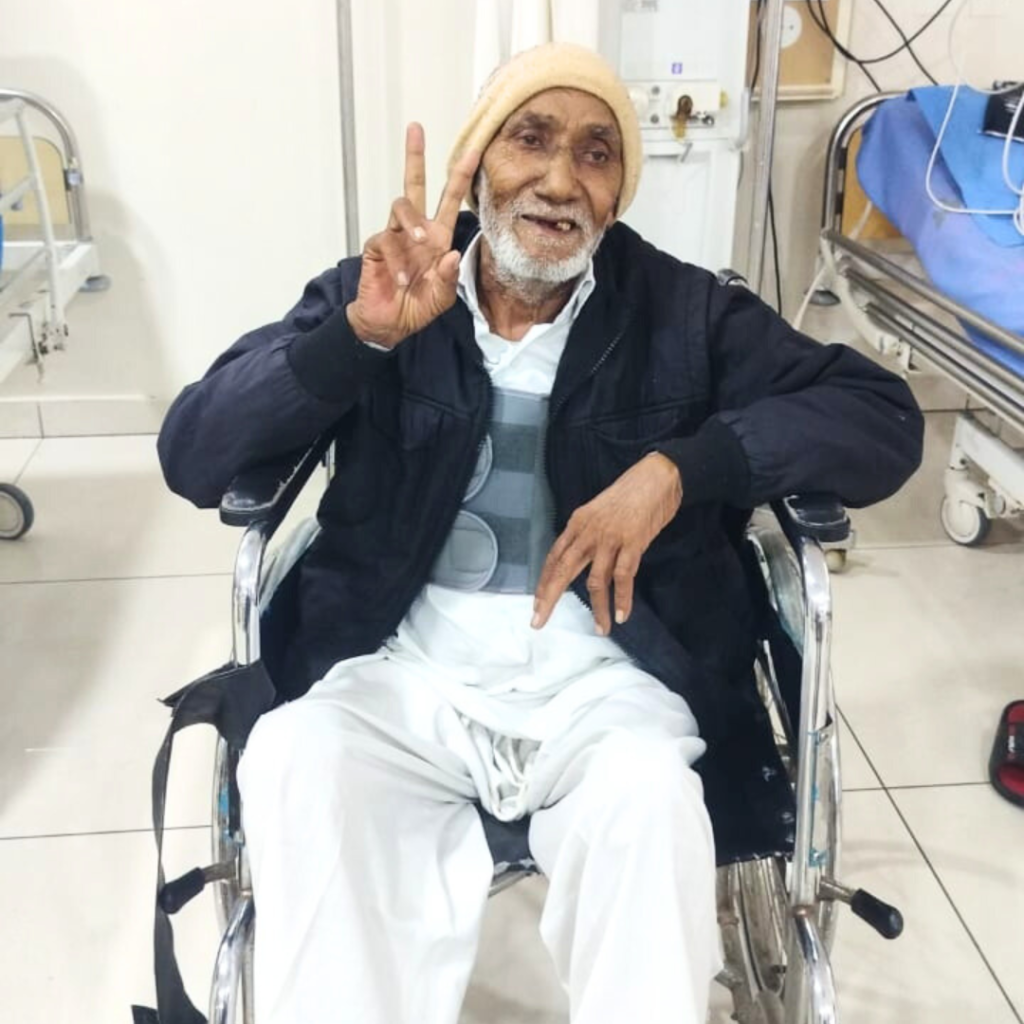
Many individuals delay seeking medical attention due to fear or confusion about symptoms. Patient-centered healthcare reduces this hesitation by:
- Providing approachable guidance
- Offering clear explanations
- Encouraging open communication
- Creating safe spaces for questions
When patients feel comfortable discussing their concerns without judgment, early diagnosis and timely intervention become more likely.
The Future of Healthcare Is Patient-Centered
The global healthcare landscape is shifting toward more personalized and community-based models. Hospitals and organizations increasingly recognize that:
- Patient experience matters
- Emotional health impacts physical recovery
- Support systems reduce readmission rates
- Communication improves satisfaction
Patient-centered healthcare is not a trend—it is the future.
Organizations that prioritize empathy, education, and patient empowerment are helping reshape healthcare into a more humane and effective system.
Building a Supportive Healthcare Ecosystem
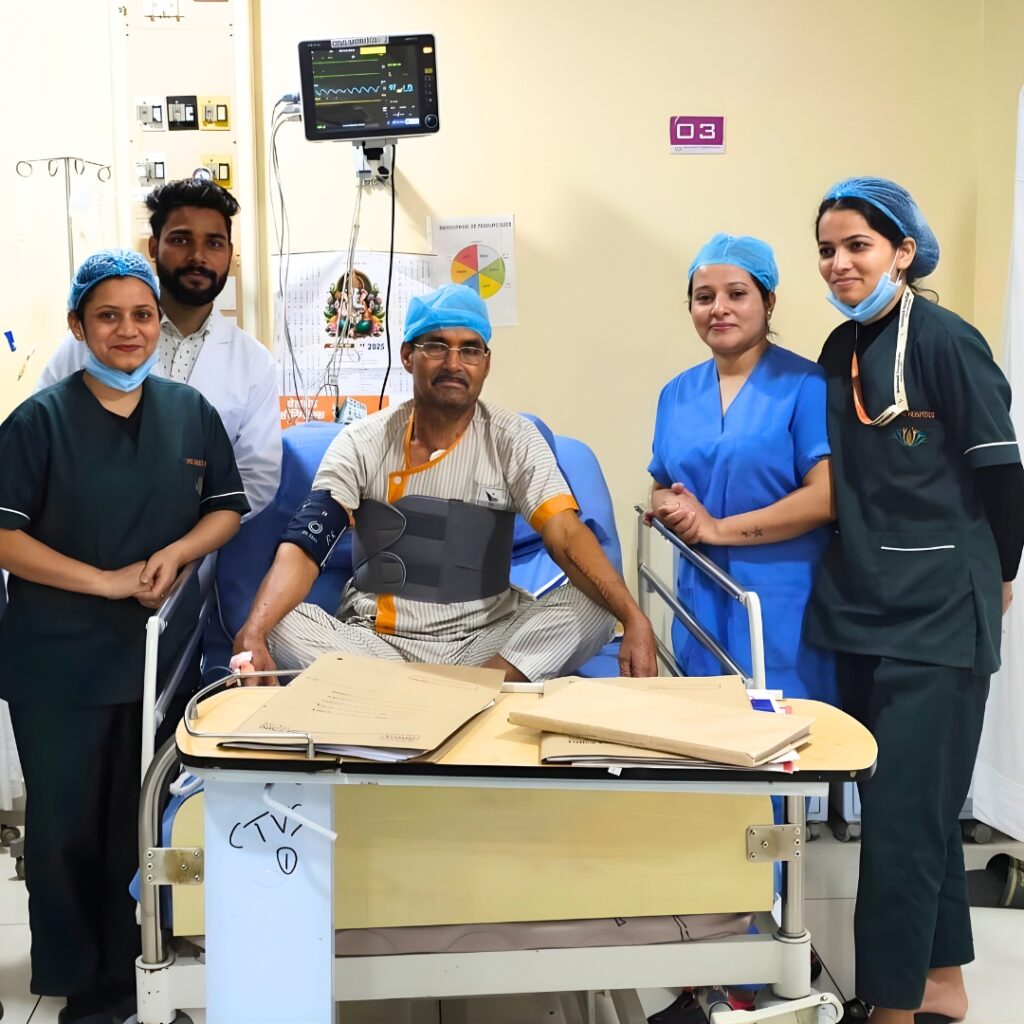
True patient-centered care requires collaboration. It is not limited to doctors or hospitals alone. It involves:
- Patients actively participating in decisions
- Families providing emotional strength
- Healthcare professionals practicing empathetic communication
- Trained patient advocates offering structured guidance
- Volunteers strengthening community networks
Together, these elements form a supportive healthcare ecosystem where healing becomes holistic.
Why RogiCare Believes in Patient-Centered Care
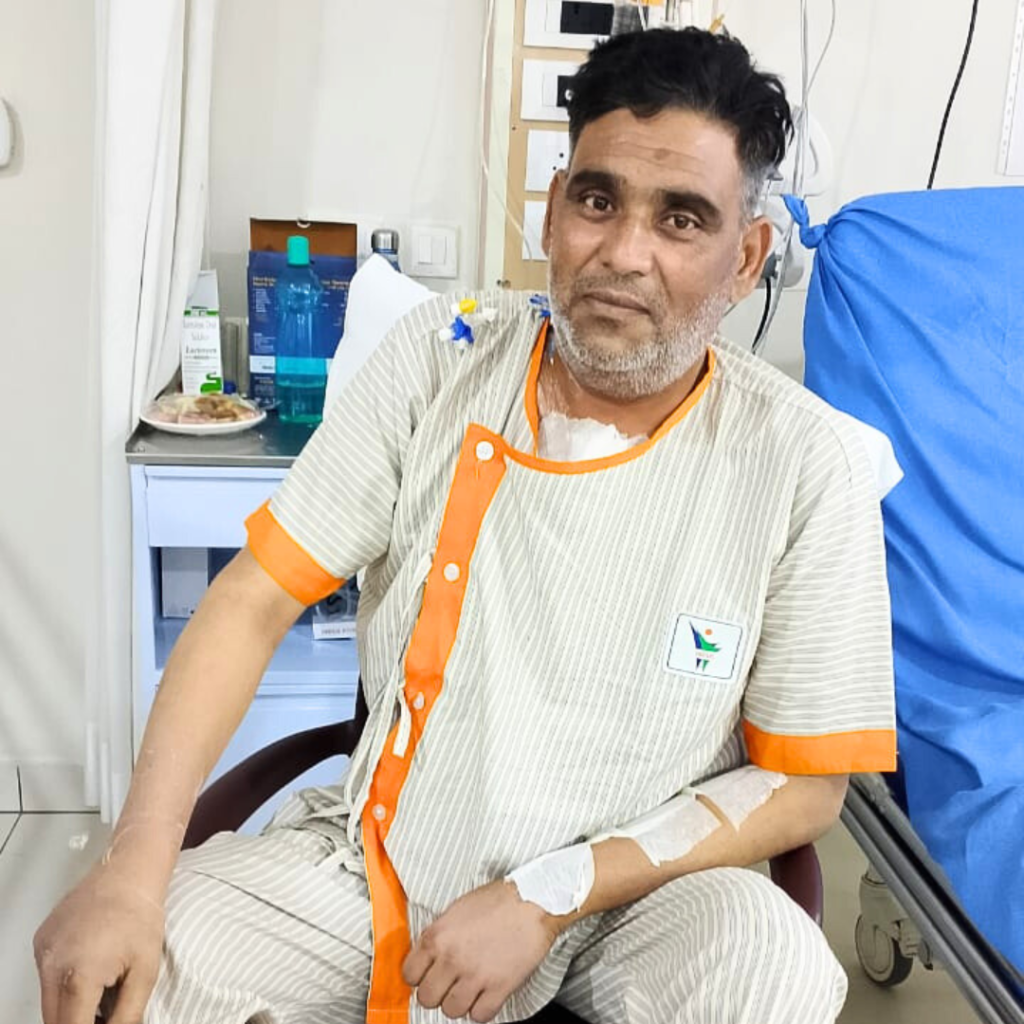
RogiCare was built on real-life experience and empathy. Our mission is simple yet powerful: ensure that no patient feels alone during healthcare challenges.
We work with:
- Patients dealing with health-related anxiety
- Families seeking reassurance
- Individuals unsure about symptoms or next steps
- Doctors and hospitals who value compassionate care
- Volunteers committed to community well-being
By focusing on guidance, comfort, and connection, we aim to make healthcare less overwhelming and more human.
Conclusion
In today’s healthcare system, medical expertise alone is not enough. Patients need clarity, emotional reassurance, and a sense of belonging. Patient-centered care bridges the gap between treatment and trust.
When healthcare becomes empathetic, inclusive, and supportive, outcomes improve—not just physically but emotionally as well.
Patient-centered healthcare matters because healing is not a solitary journey. It is a shared experience built on understanding, compassion, and collaboration.
At RogiCare, we believe that when care is driven by empathy, hope becomes stronger, recovery becomes smoother, and communities become healthier.
Healing is stronger when shared—and patient-centered care makes that possible.